When it comes to replacing missing teeth, patients often ask me whether dental implants or traditional bridges are the better option. Both solutions are effective for restoring your smile, chewing ability, and confidence. However, they each have unique benefits, considerations, and long-term implications. In this article, I will guide you through the differences between dental implants and traditional bridges so you can make an informed decision about which option is right for you.
Understanding the Options
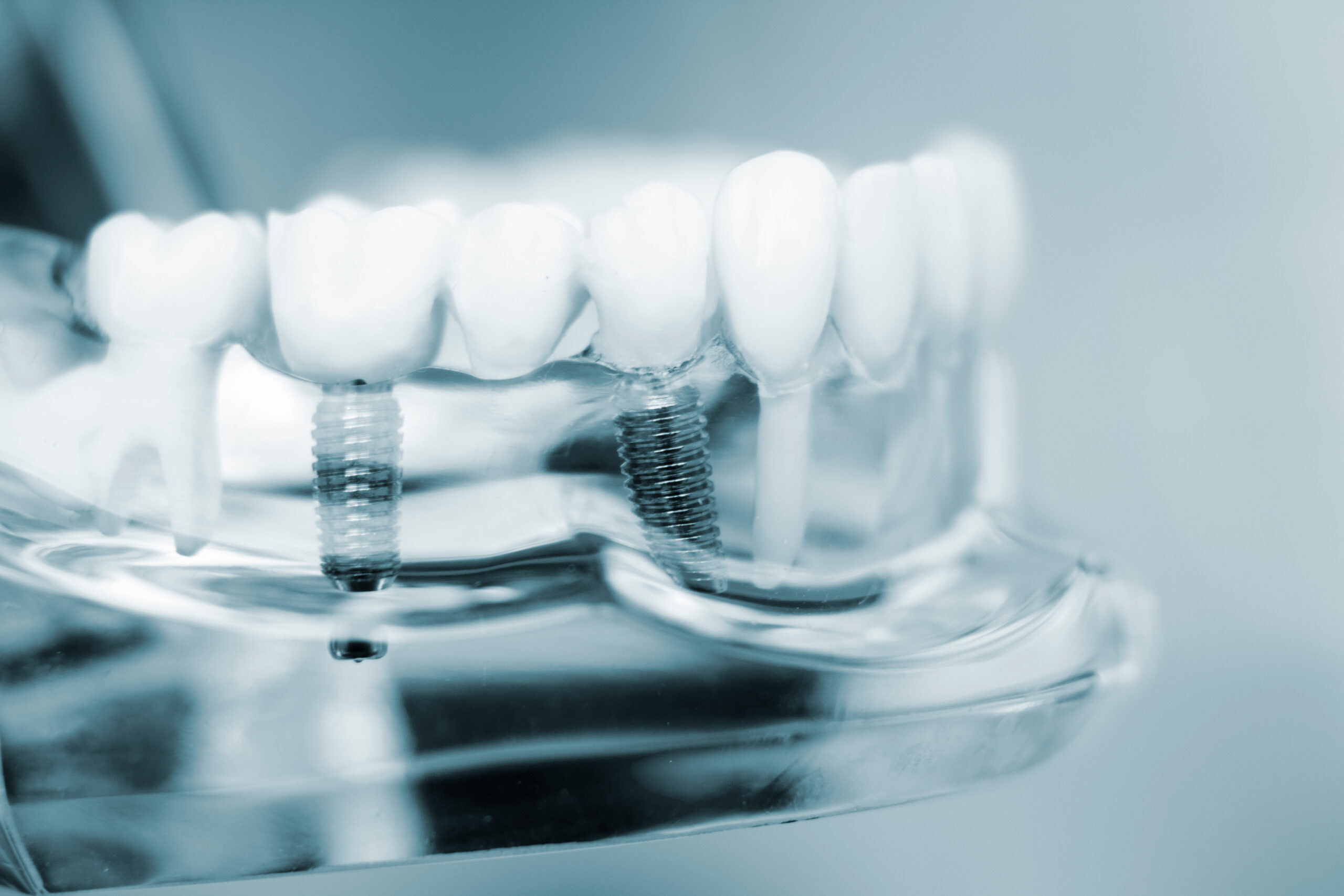
A dental implant is a titanium post that is surgically placed into the jawbone. Over time, the implant fuses with the bone in a process called osseointegration, providing a strong and stable foundation for a crown. Dental implants function like natural teeth and can replace a single tooth, multiple teeth, or even support a full arch of teeth.
A traditional dental bridge consists of one or more artificial teeth that are anchored to the natural teeth on either side of the gap. These supporting teeth, called abutments, are prepared by removing a portion of their enamel to hold the bridge securely in place. Bridges have been used for decades and provide an effective way to restore function and appearance when a tooth is missing.
Pros of Dental Implants
One of the biggest advantages of dental implants is their durability. When properly cared for, implants can last 20 years or longer, often for a lifetime. Because they are anchored directly in the jawbone, they help maintain bone density and prevent the bone loss that often occurs after a tooth is lost. This can be especially important for long-term oral health and maintaining the shape of your face.
Dental implants also look and feel like natural teeth. They do not rely on adjacent teeth for support, which preserves the integrity of your surrounding teeth. Additionally, implants do not shift or slip, making eating and speaking more comfortable and predictable compared to other tooth replacement options.
Cons of Dental Implants
The main considerations for dental implants are the surgical procedure and healing time. Placing an implant requires minor oral surgery, and patients typically need several months for the implant to fully integrate with the jawbone before the permanent crown can be placed. This can be a longer process compared to a bridge, which can often be completed in just a few weeks.
Implants may also have higher upfront costs than bridges. However, when you consider their longevity and the reduced risk of future dental problems, many patients find them to be a worthwhile investment. Some patients may not be ideal candidates for implants if they have insufficient bone density, uncontrolled health conditions, or certain lifestyle factors, but there are often solutions such as bone grafting that can make implants possible.
Pros of Traditional Bridges
Traditional bridges have been a reliable solution for missing teeth for many years. One of the main advantages is the shorter treatment time. A bridge can often be completed in a few weeks without surgery, which makes it a convenient option for many patients. Bridges also tend to have lower initial costs compared to implants.
A bridge can restore your smile, improve chewing function, and maintain the alignment of surrounding teeth. They are also highly aesthetic, and modern materials allow bridges to look natural and blend seamlessly with your existing teeth.
Cons of Traditional Bridges
The primary drawback of a bridge is that it relies on adjacent teeth for support. These supporting teeth must be altered, which can weaken them over time and increase the risk of decay or damage. Bridges also do not prevent bone loss in the area where the tooth is missing. This can lead to changes in facial structure over time if the missing tooth is not replaced with a solution that stimulates the jawbone, such as an implant.
Bridges may need to be replaced every 10 to 15 years, depending on oral hygiene and other factors. While they are an effective short- to medium-term solution, they may not offer the same long-term benefits as dental implants.
Making the Right Choice
Choosing between dental implants and traditional bridges depends on several factors, including your oral health, budget, treatment timeline, and personal preferences. Patients who prioritize long-term durability, bone preservation, and a natural feel often prefer implants. Those who want a quicker solution with minimal surgery may find a bridge to be more suitable.
I recommend discussing your options thoroughly with your oral surgeon or dentist. They can evaluate your oral health, examine your jawbone, and help you understand which solution will provide the best results for your specific situation. Good oral hygiene, regular checkups, and healthy habits are essential for the success of both dental implants and bridges.
Final Thoughts
Both dental implants and traditional bridges can restore your smile, improve function, and boost confidence. Implants offer long-term benefits and preserve your jawbone, while bridges provide a quicker, effective, and aesthetic solution. The right choice for you depends on your individual needs, goals, and overall health.
As a specialist in oral and maxillofacial surgery, I have helped patients successfully restore their teeth using both methods. The key to a smooth, successful outcome is understanding your options, following professional guidance, and maintaining excellent oral care. Whatever solution you choose, investing in the health and appearance of your smile is always worthwhile.