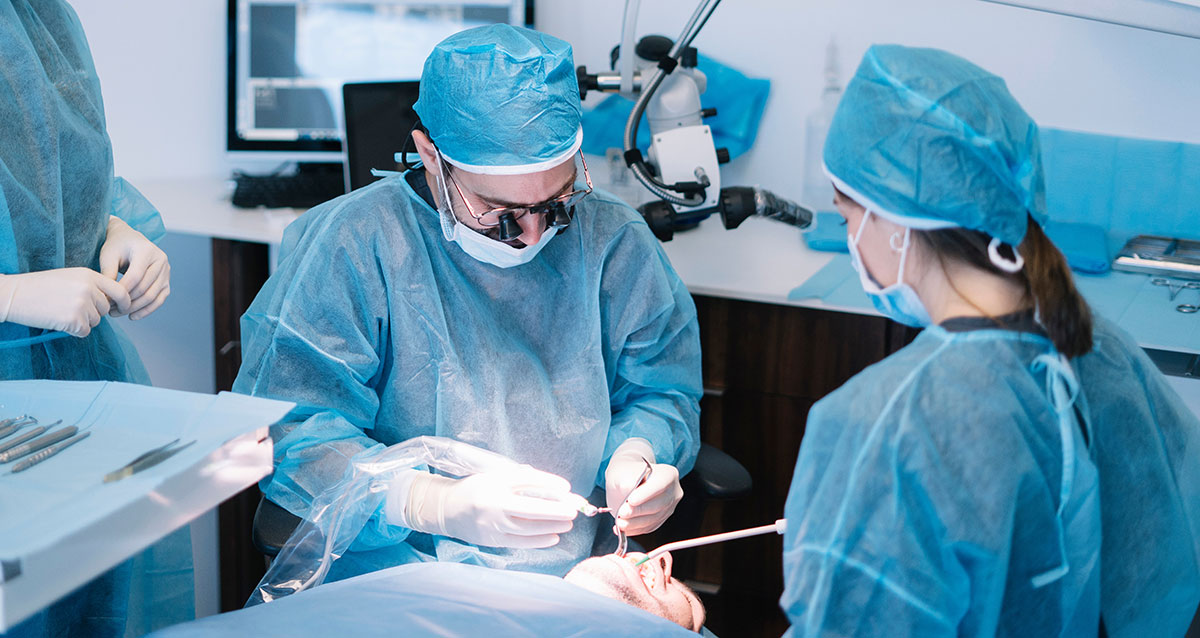
As an oral and maxillofacial surgeon, I have spent over two decades at the intersection of medicine and dentistry, navigating the complex terrain where facial anatomy, systemic health, and surgical precision converge. Oral and maxillofacial surgery is often misunderstood as merely a technical specialty focused on extractions or cosmetic procedures. In reality, it demands a deep understanding of medicine, pathology, and advanced surgical principles. My professional journey, beginning with hospital-based training and continuing through the management of multiple practices, has reinforced the critical role that comprehensive medical knowledge plays in achieving optimal patient outcomes.
Understanding the Medical Foundations of Oral Surgery
Oral and maxillofacial surgery is unique in its requirement for both dental expertise and a profound medical foundation. Unlike general dentistry, which primarily addresses the maintenance and restoration of teeth, oral surgery extends into the diagnosis and treatment of conditions that involve bone, soft tissue, nerves, and the complex vascular network of the face and jaw. Surgical interventions frequently intersect with systemic conditions such as diabetes, cardiovascular disease, or immunologic disorders. Successful management of these patients necessitates careful preoperative assessment, interdisciplinary collaboration, and the ability to anticipate potential complications before they arise.
My training at Montefiore University Hospital provided a rigorous environment in which these principles were cultivated. Hospital-based residencies expose surgeons to a broad spectrum of medical conditions, emergent scenarios, and the protocols required for inpatient care. This training instills a level of clinical judgment that distinguishes oral and maxillofacial surgeons from other dental specialists and underscores the importance of viewing each patient as a whole individual rather than a single oral concern.
Surgical Precision Meets Systemic Awareness
One of the most significant distinctions in oral surgery is the requirement to integrate surgical precision with systemic awareness. Procedures such as orthognathic surgery, complex extractions, reconstructive bone grafting, and implant placement demand not only technical skill but also an understanding of how the patient’s overall health influences healing and recovery. For example, patients with compromised bone density or systemic inflammatory conditions require tailored surgical planning and postoperative protocols. These considerations are not adjuncts to care; they are central to ensuring that interventions are both safe and effective.
The ability to navigate this intersection of medicine and dentistry also extends to anesthetic management. Oral surgeons are trained to administer a range of anesthesia options, from local anesthesia to conscious sedation and general anesthesia. Decisions regarding sedation must consider not only the procedural requirements but also the patient’s medical history, potential airway challenges, and systemic vulnerabilities. By integrating anesthetic knowledge with surgical expertise, we minimize risk while maintaining patient comfort and procedural efficiency.
Collaborative Care Across Specialties
Oral and maxillofacial surgery does not operate in isolation. Many patients benefit from a coordinated approach involving dentists, orthodontists, primary care physicians, and other medical specialists. Complex cases, including facial trauma, tumor resections, and congenital craniofacial anomalies, exemplify the necessity of collaborative care. My practices, including Queens Blvd Oral Surgery, Jamaica Estates Oral Surgery, and Gramercy Dental Group, prioritize interdisciplinary communication to ensure that each patient receives a comprehensive treatment plan grounded in both medical and dental expertise. This collaborative model enhances outcomes and positions oral surgery as a specialty that bridges medicine and dentistry rather than existing on the periphery of either field.
Advancements in Technology and Surgical Outcomes
Modern oral surgery continues to evolve alongside technological advancements. Three-dimensional imaging, computer-assisted surgical planning, and regenerative medicine have transformed the precision with which we approach complex cases. These tools require not only familiarity with dental anatomy but also an understanding of systemic healing processes and the biology of tissue regeneration. Technology enhances surgical outcomes, but it cannot replace the critical thinking and medical knowledge necessary to interpret complex cases and adapt plans to each patient’s unique physiology.
Education and Lifelong Learning
The field of oral and maxillofacial surgery is characterized by continuous learning. Emerging research in biomaterials, minimally invasive techniques, and systemic disease management necessitates that surgeons remain engaged with the latest scientific evidence. My own practice philosophy emphasizes lifelong education, mentorship, and integration of new knowledge into patient care. By maintaining a strong medical foundation, oral surgeons can critically evaluate innovations, implement best practices, and deliver care that aligns with both contemporary science and individualized patient needs.
Conclusion
Oral and maxillofacial surgery represents a convergence of medicine and dentistry that requires more than technical skill. It is a specialty grounded in medical knowledge, systemic awareness, and collaborative care. From complex facial reconstructions to nuanced surgical planning for routine extractions, the decisions we make are informed by a thorough understanding of human physiology, pathology, and surgical science. My career has been defined by a commitment to bridging these disciplines, advancing patient care, and demonstrating that oral surgery is a medically sophisticated field where precision, judgment, and expertise converge to make a measurable difference in patients’ lives.